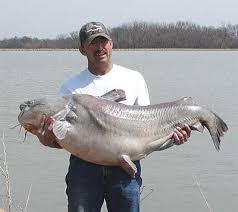
Habitat, Behavior, Size, and Understanding Oklahoma’s Largest Native Catfish
5
Blue catfish are one of Oklahoma’s most iconic freshwater fish species and are widely known for their size, strength, and importance to both the ecosystem and recreational fishing. Found in many of Oklahoma’s rivers and reservoirs, blue catfish play an important role as opportunistic feeders that help maintain balance within aquatic environments.
While often associated with anglers and sport fishing, blue catfish are also an important native species worth understanding from a wildlife and environmental perspective. This guide explains where blue catfish live in Oklahoma, how they behave seasonally, and how they fit into the state’s freshwater ecosystems.
What Is a Blue Catfish?
The blue catfish (Ictalurus furcatus) is the largest catfish species native to North America. Known for its slate-blue to gray coloration and deeply forked tail, this species can grow significantly larger than other common Oklahoma catfish such as channel catfish or flathead catfish.
Key characteristics include:
- Smooth, scaleless skin
- Long whisker-like barbels used for detecting food
- Deeply forked tail
- Blue-gray or silvery coloration
- Large, broad head
In Oklahoma waters, blue catfish commonly range from 5 to 20 pounds, but individuals exceeding 50 pounds are regularly documented in large reservoirs and river systems.
Where Blue Catfish Live in Oklahoma
Blue catfish are widely distributed across Oklahoma, especially in large rivers and reservoirs with steady current and deep water access.
Common locations include:
- Arkansas River system
- Red River and tributaries
- Lake Texoma
- Keystone Lake
- Eufaula Lake
- Kaw Lake
- Grand Lake O’ the Cherokees
They prefer:
- Deep channels and river bends
- Areas with submerged structure
- Current breaks near dams
- Large reservoirs with open water
Unlike some catfish species that prefer heavy cover, blue catfish often roam open water while following baitfish schools.
Behavior and Feeding Habits
Blue catfish are opportunistic feeders and play an important ecological role as both predators and scavengers. Their diet changes as they grow.
Typical food sources include:
- Shad and other baitfish
- Freshwater mussels
- Crayfish
- Insects
- Dead or injured fish
Larger blue catfish increasingly rely on live fish, which is why they are often found in areas with strong baitfish populations.
Because they rely heavily on scent and vibration, blue catfish are most active during low-light periods such as early morning, evening, and nighttime.
Seasonal Activity in Oklahoma Waters
Blue catfish activity changes throughout the year based on water temperature and food availability.
Spring
As water warms, blue catfish move into shallower areas and upstream sections to spawn. This is one of the most active feeding periods.
Summer
Fish often move deeper during hot weather but remain active, especially at night. Reservoir thermoclines can influence depth preferences.
Fall
Feeding activity increases as fish prepare for winter. Blue catfish frequently follow baitfish schools into open water.
Winter
Activity slows, and fish tend to hold in deep channels or near stable water temperatures.
Size and Growth Potential
Oklahoma is nationally recognized for producing large blue catfish, particularly in Lake Texoma and other major reservoirs. Favorable water conditions, abundant forage, and long growing seasons contribute to exceptional growth rates.
Blue catfish can live more than 20 years, allowing individuals to reach trophy sizes over time.
Ecological Role and Benefits
Blue catfish contribute to healthy freshwater ecosystems by:
- Removing weak or dead fish
- Helping control forage fish populations
- Recycling nutrients within aquatic systems
- Supporting balanced predator-prey relationships
As a native species, they are an important part of Oklahoma’s natural aquatic heritage.
Blue Catfish and People
Encounters between blue catfish and people are almost always positive and centered around recreation. These fish are not dangerous to swimmers, though their spines can cause injury if handled improperly.
In some areas, large catfish may gather near docks, cleaning stations, or dam tailwaters where food is available. This behavior is normal and reflects their opportunistic feeding habits.
Conservation and Responsible Fishing
The Oklahoma Department of Wildlife Conservation manages blue catfish populations through fishing regulations designed to maintain sustainable populations while supporting recreational fishing.
Responsible practices include:
- Following local size and bag limits
- Proper fish handling and release practices
- Avoiding waste disposal that attracts fish unnaturally
- Respecting spawning areas during spring months
Frequently Asked Questions
Are blue catfish native to Oklahoma?
Yes. Blue catfish are native to major river systems in Oklahoma and have long been part of the state’s freshwater ecosystems.
How big do blue catfish get in Oklahoma?
While many range from 5–20 pounds, fish exceeding 50 pounds are regularly caught in larger lakes and rivers.
Are blue catfish aggressive?
No. Blue catfish are not aggressive toward people and avoid human interaction.
What’s the difference between blue catfish and channel catfish?
Blue catfish typically grow larger, have a forked tail, and lack the small black spots commonly seen on channel catfish.
Related Oklahoma Wildlife Guides

Leave a Reply